What Is an AI Health Risk Assessment? How It Works and Why It Matters
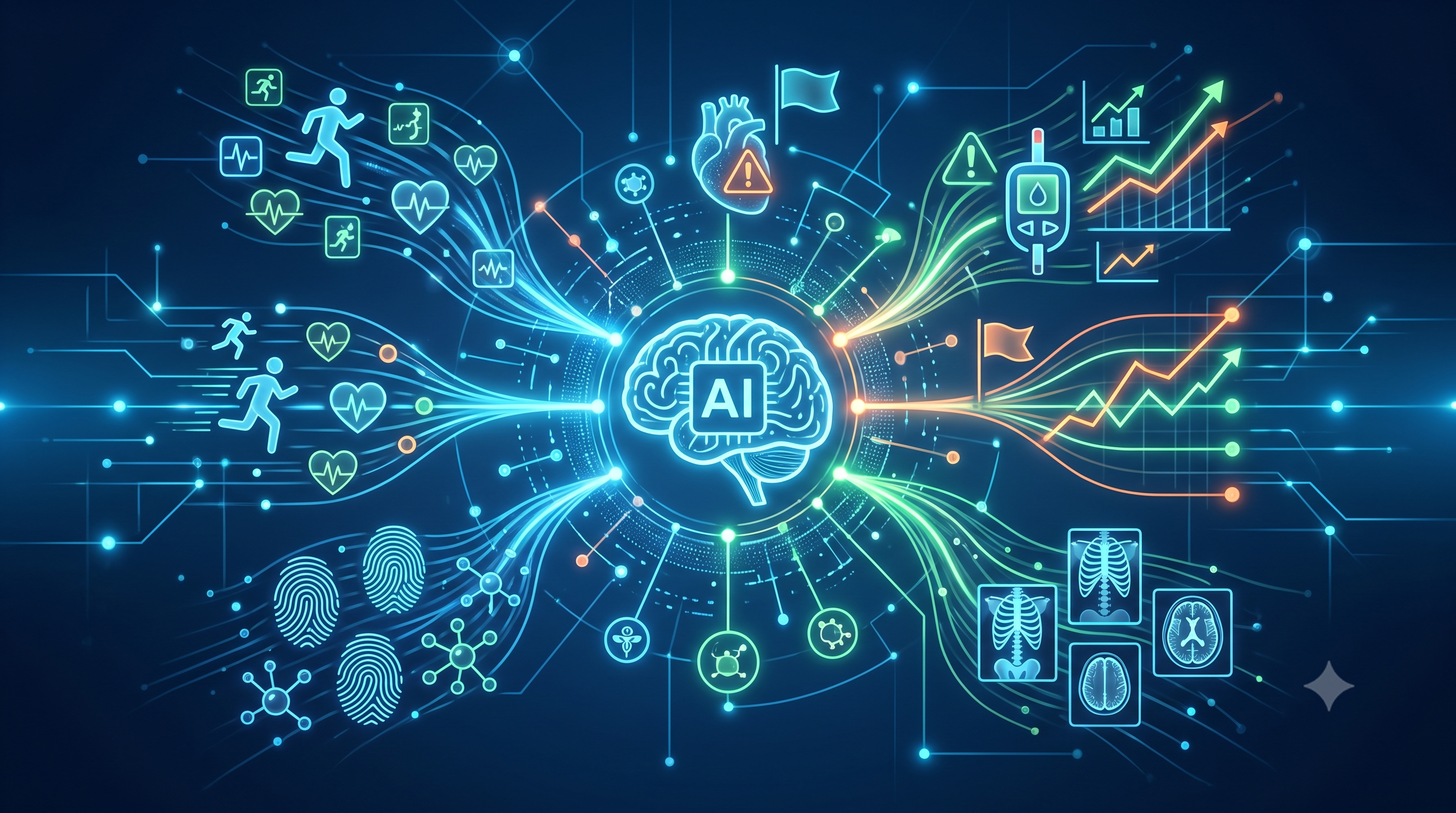
An AI health risk assessment uses artificial intelligence to analyze health data — activity, biometrics, or diagnostic scans — and flag potential risk factors earlier than a standard annual checkup typically would. Instead of waiting for a once-a-year snapshot, AI-driven assessment tools are built to catch patterns continuously, or in some cases, deliver a risk profile in a fraction of the time a traditional screening process takes.
How AI Health Risk Assessment Differs From Traditional Screening
Traditional preventive screening is valuable but limited by frequency — most people get a comprehensive check once a year, if that. AI-driven assessment tools address that gap in a few ways:
- Speed — some AI-powered screening methods, such as AI-assisted imaging analysis, can process results in seconds rather than requiring lab turnaround time
- Pattern detection over time — rather than a single data point, AI can track trends across continuous data and flag a developing risk before it becomes a diagnosable condition
- Breadth — a single assessment can sometimes screen for multiple risk factors simultaneously, rather than requiring separate tests for each one
None of this replaces a doctor's diagnosis — AI risk assessment is a screening and flagging tool, meant to prompt further evaluation, not deliver a final medical verdict.
What an AI Health Risk Assessment Can Flag
Depending on the technology and data involved, AI-driven assessments can help identify early indicators related to:
- Cardiovascular risk factors
- Metabolic risk factors, including diabetes indicators
- Broader chronic disease risk patterns drawn from activity and biometric trends
The value isn't in replacing clinical diagnosis — it's in surfacing a reason to seek that diagnosis earlier than symptoms alone would prompt.
LIVE4WELL's Approach to AI Health Risk Assessment
LIVE4WELL's Wellness AI is built around exactly this kind of early-detection approach — including AI-assisted screening technology capable of flagging multiple health risk indicators, such as cardiovascular and diabetes-related factors, in a fraction of the time traditional testing requires. Combined with continuous activity and health data tracking, it's designed to move preventive care from a once-a-year event to an ongoing part of daily life — with Sweat Points rewarding the healthy behavior that goes alongside it.
Learn About LIVE4WELL's Wellness AI →
Frequently Asked Questions
Is an AI health risk assessment as accurate as a doctor's diagnosis?
AI risk assessments are screening tools designed to flag potential risk factors early — they're not a substitute for a clinical diagnosis. A flagged risk should prompt follow-up with a healthcare provider, not replace one.
How often should I get an AI health risk assessment?
Because many AI-driven tools are designed for speed and continuous tracking rather than annual scheduling, they can reasonably be used more frequently than traditional screening — though this depends on the specific tool and what it's assessing.
What data does an AI health risk assessment typically use?
This varies by tool, but commonly includes activity data, biometric readings, or diagnostic imaging, depending on what risk factors the assessment is designed to detect.